

Avant Research has active contracts and trials with the world's leading pharmaceutical companies and CROs.
Participate In, Or Run Your Next Trial with Avant
For Volunteers
Avant Research, has three clinical sites in the United States, where you can volunteer to participate in a research study.Health Insurance Is Not NeededYour Participation Is ConfidentialYou May Be Paid $50.00 Or More Per VisitCheck back often for new trials!
Site Name: Avant Research - Crowley
PI: Satinder Saini, MD
Address: 1455 Wright Ave. Suite B
Crowley, LA 70526
Phone: 337-944-9771
Site Name: Avant Research - Huntsville
PI: Smita Shah, MD
PI: Edward Witt, MD
Address: 4601 Whitesburg Drive, Suite 101
Huntsville, AL 35802
Phone: 256-763-0628
Site Name: Avant Research - Austin
PI: Rajesh Mehta, MD
PI: Nomita Kim, MD
Address: 9312 Brodie Lane, Suite 200
Austin, TX 78748
Phone: 512-814-6038Current Trials
Avant Research - Crowley, LA (337)944-9771

Respiratory- COPD & Asthma
At AVANT we are committed to treating and understanding respiratory diseases
FIND OUT IF YOU QUALIFY FOR 1 OF SEVERAL COPD or ASTHMA TRIALS
YOU MAY QUALIFY TO PARTICIPATE IF YOU:
- Are between ages 12-85
- Must be on a daily inhaler
QUALIFIED STUDY PARTICIPANTS MAY RECEIVE AT NO COST
- Study medication
- Study-related medical care
- Compensation for time and travel

Adolesent Constipation
Call today to see if you qualify, space is limited 337-944-9771
YOU MAY QUALIFY TO PARTICIPATE IF YOU:
- Are between ages 6-18
- Experience Constipation
QUALIFIED STUDY PARTICIPANTS MAY RECEIVE AT NO COST
- Study medication
- Study-related medical care
- Compensation for time and travel

Atopic Dermatitis - Ecxema
Call today to see if you qualify, space is limited 337-944-9771
YOU MAY QUALIFY TO PARTICIPATE IF YOU:
- Are between ages 18-75
- Experience dry, itchy, red patches of skin
QUALIFIED STUDY PARTICIPANTS MAY RECEIVE AT NO COST
- Study medication
- Study-related medical care
- Compensation for time and travel

Over Active Bladder- OAB
Call today to see if you qualify, space is limited 337-944-9771
YOU MAY QUALIFY TO PARTICIPATE IF YOU:
- Are a women between ages 18-75
- Experience sudden urges to urinate that you can't control
QUALIFIED STUDY PARTICIPANTS MAY RECEIVE AT NO COST
- Study medication
- Study-related medical care
- Compensation for time and travel

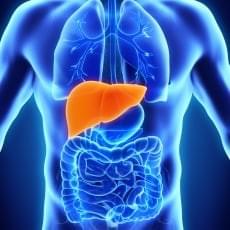
Fatty Liver Disease
The cause of non-alcoholic fatty liver disease (NAFLD) is unknown. Risk factors include obesity, gastric bypass surgery, high cholesterol, and type 2 diabetes.
YOU MAY QUALIFY TO PARTICIPATE IF YOU:
- Are between ages 18-75
- Are relatively healthy with, elevated triglycerides, blood pressure or cholesterol
QUALIFIED STUDY PARTICIPANTS MAY RECEIVE AT NO COST
- Study medication
- Study-related medical care
- Compensation for time and travel
Avant Research - Huntsville, AL (256)763-0628

Type 2 Diabetes
Call today to see if you qualify, space is limited 256-763-0628
FIND OUT IF YOU QUALIFY FOR 1 OF SEVERAL TYPE 2 DIABETES TRIALS
YOU MAY QUALIFY TO PARTICIPATE IF YOU:
- Are between the ages of 11-75
- Currently Diagnosed with Type 2 Diabetes
QUALIFIED STUDY PARTICIPANTS MAY RECEIVE AT NO COST
- Study medication
- Study-related medical care
- Compensation for time and travel

Osteoarthritis of the Knee - OA
Call today to see if you qualify, space is limited 256-763-0628
YOU MAY QUALIFY TO PARTICIPATE IF YOU:
- Are between the ages of 21-80
- Have Osteorthritis of the Knee or suspect you may have Osteoarthritis of the Knee
QUALIFIED STUDY PARTICIPANTS MAY RECEIVE AT NO COST
- Study medication
- Study-related medical care
- Compensation for time and travel

Asthma
Call today to see if you qualify, space is limited 256-763-0628
YOU MAY QUALIFY TO PARTICIPATE IF YOU:
- Are between ages 12-80
- Use a daily inhaler
QUALIFIED STUDY PARTICIPANTS MAY RECEIVE AT NO COST
- Study medication
- Study-related medical care
- Compensation for time and travel

Crohn's
Call today to see if you qualify, space is limited 256-763-0628
YOU MAY QUALIFY TO PARTICIPATE IF YOU:
- Are between ages 18-75
- Have had or think you may have Crohn's (abdominal pain, diarrhea, weight loss, and fatigue)
QUALIFIED STUDY PARTICIPANTS MAY RECEIVE AT NO COST
- Study medication
- Study-related medical care
- Compensation for time and travel

Over Active Bladder- OAB
Call today to see if you qualify, space is limited 256-763-0628
YOU MAY QUALIFY TO PARTICIPATE IF YOU:
- Are a women between ages 18-75
- Experience sudden urges to urinate that you can't control
QUALIFIED STUDY PARTICIPANTS MAY RECEIVE AT NO COST
- Study medication
- Study-related medical care
- Compensation for time and travel
Avant Research - Austin, TX (512) 814-6038

Moderate to Severe Acne -Treated with Topical Cannabidiol
Call today to see if you qualify, space is limited 512-814-6038
YOU MAY QUALIFY TO PARTICIPATE IF YOU:
- Are between the ages of 18-40
- Have moderate to severe facial acne
QUALIFIED STUDY PARTICIPANTS MAY RECEIVE AT NO COST
- Study medication
- Study-related medical care
- Compensation for time and travel

Eosinophilic Esophagitis (EoE)
Call today to see if you qualify, space is limited 512-814-6038
YOU MAY QUALIFY TO PARTICIPATE IF YOU:
- Are between the ages of 18-75
- Have an awareness of food going down your throat
- Are currently taking a medication for acid reflux
QUALIFIED STUDY PARTICIPANTS MAY RECEIVE AT NO COST
- Study medication
- Study-related medical care
- Compensation for time and travel

Crohn's
Call today to see if you qualify, space is limited 512-814-6038
YOU MAY QUALIFY TO PARTICIPATE IF YOU:
- Are between ages 18-75
- Have had or think you may have Crohn's (abdominal pain, diarrhea, weight loss, and fatigue)
QUALIFIED STUDY PARTICIPANTS MAY RECEIVE AT NO COST
- Study medication
- Study-related medical care
- Compensation for time and travel

Type 2 Diabetes
Call today to see if you qualify, space is limited 512-814-6038
FIND OUT IF YOU QUALIFY FOR 1 OF SEVERAL TYPE 2 DIABETES TRIALS
YOU MAY QUALIFY TO PARTICIPATE IF YOU:
- Are between the ages of 10 -75
- Currently Diagnosed with Type 2 Diabetes
QUALIFIED STUDY PARTICIPANTS MAY RECEIVE AT NO COST
- Study medication
- Study-related medical care
- Compensation for time and travel
Key Strengths
Better Processes. Better Systems. Better Results.

400,000 Patients and Growing
Execute trials without the marketing spend
With our 400,000 active patients representing 5,000-7,000 visits per week, centralized searchable databases and copyrighted proprietary processes, we have a proven track record of rapid subject recruitment, often without having to resort to marketing or tapping into advertising budgets.

The Highest Quality Standards
Quality, accuracy and completeness above all else
We are dedicated to conducting the highest quality research. Avant provides medical expertise with a strong clinical research foundation to ensure that each project exceeds the industries’ expectations.

Consistency Across Sites
And flexibility to adapt to sponsor's needs
Avant has pioneered technology and copyrighted processes that allow us to run every Avant site with the same set of quality measures and controls. This "central command" approach also gives us the flexibility to adapt to sponsors' needs quickly. Sponsors gain from the efficiency of a single point of contact and single set of processes across multiple sites.
Our Company

We Love What We Do.
The Avant team blends experience at the highest levels of clinical trials and healthcare with the enthusiasm of new-to-research employees. Everyone on the Avant team is 100% focused on the success of our programs and our clients' success.
Part of one of the fastest growing healthcare services companies in the country, Avant's solutions combine technology with proprietary processes and a keen understanding of the needs of trial sponsors, sites, and subjects.
We have a consistent track record of delivering immediate and lasting business value for our clients and an expanding roster of highly satisfied clients. We feel we've grown the right way: through word of mouth, by unsolicited referrals, and on the reputation we work to earn every day.
Connect With Us
Speak with an Avant executive today..

info@avantresearch.com